
Key Takeaways
- Summary of foundation drilling initiatives and their significance
- Varieties of foundation drilling methods and techniques
- Equipment utilized for foundation drilling tasks
- Strategies for organizing and carrying out drilling projects
- Assurance of quality in foundation drilling processes
- Obstacles encountered in foundation drilling activities
Overview of Foundation Drilling Projects
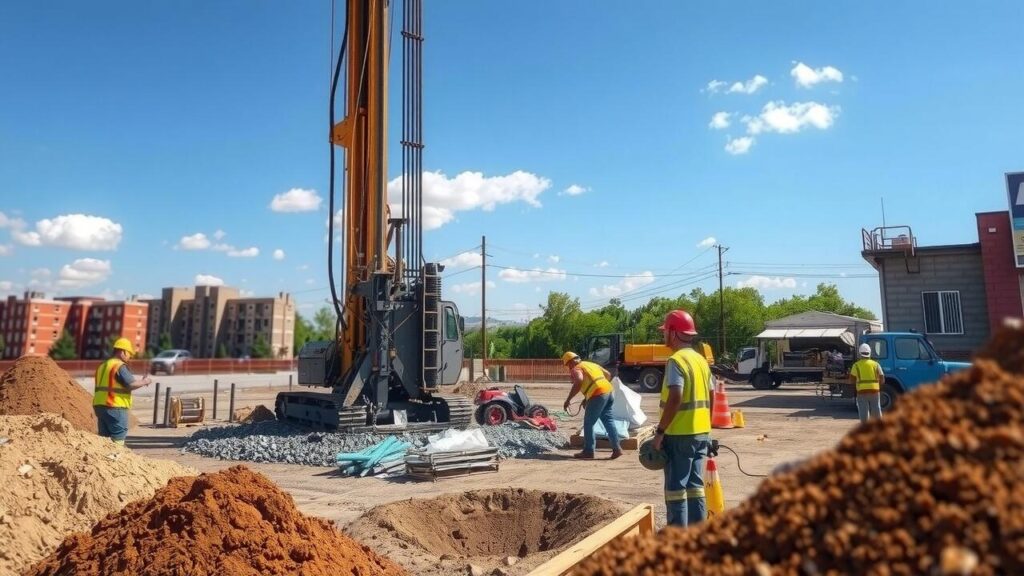
Foundation drilling projects are essential for establishing stable and reliable structures. These projects often involve the use of various drilling methods, including rotary drilling and auger drilling, to create drilled shafts that support deep foundations. A drilling rig or drill rig is utilized to facilitate the excavation process, ensuring that the foundation meets engineering specifications. The choice of drilling technique depends on soil conditions and project requirements, making it crucial to select the appropriate equipment for optimal results. By understanding the intricacies of foundation drilling projects, construction teams can effectively address site-specific challenges and ensure the longevity of the structures they support.
What are Foundation Drilling Projects?
Foundation drilling projects involve the use of specialized drill rigs and tools to create deep boreholes in various types of soil and rock. These projects are essential for establishing solid foundations for structures, including buildings and bridges. By employing advanced cutting tools, drill bits, and hammers, construction teams can effectively work through hard rock and other challenging materials. The process often includes drilling trenches and installing pipe systems to ensure the stability and longevity of the foundation.
Successful foundation drilling projects require careful planning and precise execution. Operators must select the appropriate tools and equipment based on the geological conditions encountered. Effective techniques in borehole mining and the use of concrete in foundation work contribute to the overall durability of the structure. The integration of modern technology allows for efficient drilling operations, minimizing disruption while maximizing safety and quality in construction practices.
Importance of Foundation Drilling in Construction
Foundation drilling projects play a crucial role in establishing strong infrastructures. They provide the necessary support for buildings and other structures by creating boreholes that can withstand various stresses. Engineers often use specialized equipment such as cranes and excavators to manage the heavy lifting of materials. The drilling process typically involves the use of hammer techniques to effectively penetrate soil layers. This careful approach ensures that the foundation can accommodate the loads imposed by the structures built above.
Quality in foundation drilling is not just about meeting immediate requirements; it impacts the longevity and safety of construction. Proper welding techniques for reinforcing bars and the careful placement of barrels during the drilling process are essential for enhancing strength. Each step of the project, from planning to execution, relies heavily on engineering principles and meticulous attention to detail. The success of foundation drilling projects significantly influences both the stability and durability of the infrastructures they support.
| Project Type | Drilling Method | Soil Type | Depth (meters) | Equipment Used |
|---|---|---|---|---|
| Residential Building | Rotary Drilling | Sandy Loam | 10 | Excavator, Drill Rig |
| Commercial Complex | Continuous Flight Auger | Clay | 15 | Cranes, Auger Drills |
| Bridges | Percussive Drilling | Rock | 25 | Hydraulic Hammer, Drill Head |
| Industrial Structure | Reverse Circulation | Gravel | 20 | Drill Rigs, Air Compressors |
Types of Foundation Drilling
Foundation drilling projects employ a variety of techniques tailored to the specific conditions of the site and the demands of the structure being built. Deep foundation drilling is particularly crucial in areas prone to earthquakes, where the integrity of the civil infrastructure relies on robust foundation systems. Techniques such as the installation of piles, including those made from welded steel, provide stability in challenging environments like clay soil or rock formations. Advanced machinery, such as SoilMec equipment, is essential for facilitating these operations, ensuring precision and adherence to safety regulations. Selecting the appropriate method is vital for successful execution in foundation drilling projects, as it impacts the overall quality and longevity of the built environment.
Deep Foundation Drilling Techniques
Deep foundation drilling plays a crucial role in supporting heavy structures that require stability beyond the surface soil. Techniques such as pile installation are common in foundation drilling projects, where large-diameter piles are drilled deep into the ground. This method ensures that the load is transferred to stronger soil layers or bedrock. Advanced practices in the foundation drilling industry, including the implementation of additive manufacturing, are revolutionizing the design and construction of drilling equipment, enhancing efficiency and precision in long foundation drilling projects.
Centrifuge techniques are also utilized in deep foundation drilling, allowing for effective soil testing and site analysis before commencing drilling. These tests provide essential data that inform the choice of an appropriate drilling method and equipment. Each aspect of the foundational drilling services influences the overall quality and success of the project. By leveraging the latest in foundation drilling equipment and methodologies, contractors can optimize their approaches, ensuring the stability and durability of structures built on these drilled foundations.
| Drilling Technique | Description | Common Applications |
|---|---|---|
| Pile Installation | Drilling large-diameter piles deep into the ground | High-rise buildings, bridges, and heavy industrial structures |
| Centrifuge Testing | Simulates load on soil samples to analyze behavior | Site analysis, soil stratification, and load-bearing assessments |
| Additive Manufacturing | Utilizes 3D printing technology for component fabrication | Custom drilling equipment and parts for specialized projects |
| Continuous Flight Auger (CFA) | A method of drilling that involves a hollow auger to excavate soil | Foundation support in residential and commercial buildings |
Comparison of Different Foundation Drilling Methods
Different foundation drilling methods vary significantly based on their application, efficiency, and technological advancement. In the context of challenging drilling projects, electrical foundation drilling has emerged as a sustainable option, utilizing electrical power to reduce emissions. The traditional use of hydraulic drilling tools remains prevalent, especially in Texas drilling projects where specific geological conditions require robust foundation drill solutions. Each method’s effectiveness depends greatly on the drilling equipment and techniques employed during the foundation drilling projects.
RDI foundation drilling provides a unique approach by integrating advanced drilling methods and state-of-the-art drilling equipment. This integration enhances the efficiency and safety of the drilling process. Comparing these methods allows contractors in the drilling industry to choose the most suitable approach for their specific needs. Factors such as soil composition, required depth, and environmental considerations play crucial roles in determining the optimal drilling methods for successful foundation drilling projects.
Foundation Drilling Equipment
Foundation drilling projects rely heavily on the right equipment to achieve successful results. Deep foundation contractors utilize various types of heavy drilling equipment to ensure effective drilling operations, including core drilling tools designed specifically for land-based drilling applications. The use of refurbished drilling tools can also enhance the efficiency of drilling processes, allowing for budget-conscious yet high-quality construction projects. Each piece of equipment chosen plays a crucial role in the drilling division, impacting the overall performance and outcomes of the projects. A thorough understanding of drilling methods and effective practices contributes to the success of deep foundation contractors and their ability to execute complex foundation drilling endeavors.
Types of Equipment Used in Foundation Drilling
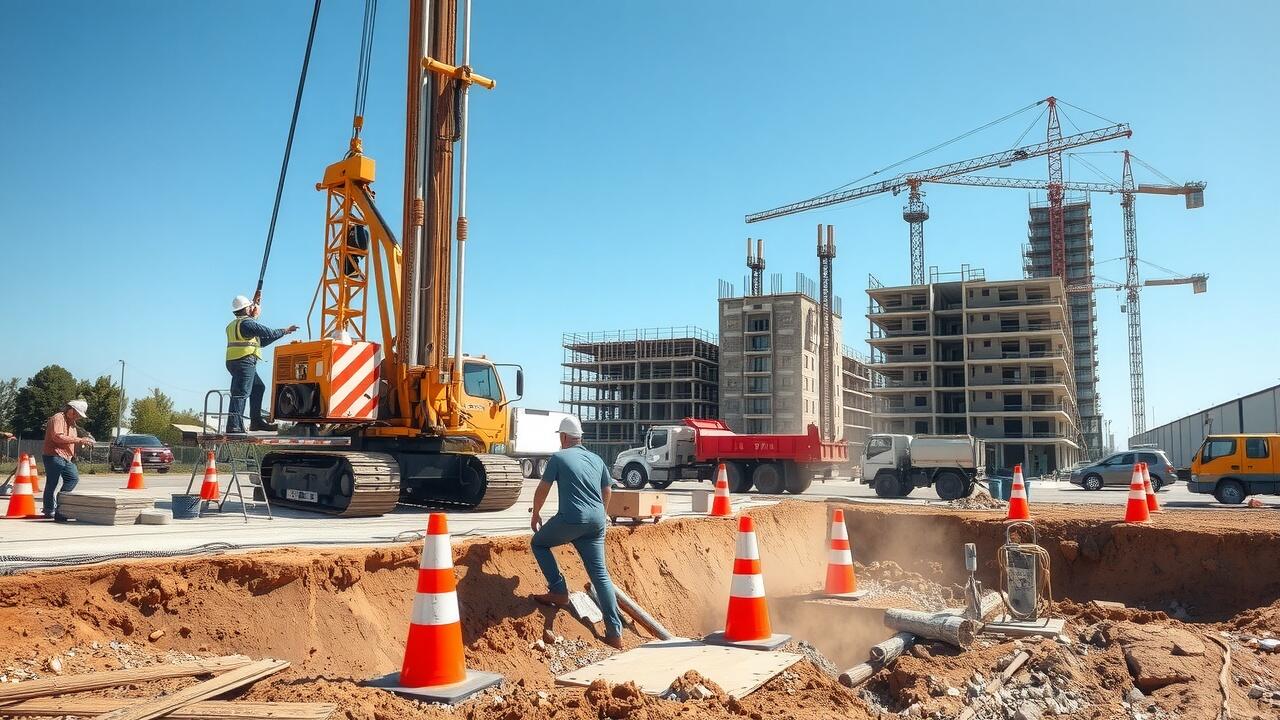
In foundation drilling projects, the choice of equipment plays a crucial role in the efficiency and effectiveness of the work. Drillers often rely on land-based drilling rigs designed for various applications, particularly in deep foundation work. These machines are capable of creating drilled holes for pre-drilled shafts and drilled piles, ensuring the structural integrity needed for the projects. Selecting the right equipment helps optimize overall drilling performance and adaptability to site conditions.
Drilling equipment encompasses several types, each tailored to specific foundation methods. For instance, rotary drills are commonly used to create deep drilled shafts, while auger rigs are preferred for shallower applications. The technology behind these machines continues to evolve, enhancing the precision and reliability of drilled holes. Proper maintenance of this equipment is critical to ensure that drillers can carry out foundation drilling projects efficiently and deliver high-quality results.
Maintenance and Safety Measures for Drilling Equipment
Proper maintenance of drilling equipment is crucial for the success of foundation drilling projects. Expert drillers must routinely inspect machinery to ensure optimal functioning. A well-done foundation relies on accurately drilled shafts that can handle the stresses of deep foundation holes. Neglecting equipment upkeep can lead to malfunctions that jeopardize the integrity of the foundation and compromise recent projects. Regular cleaning, including grinding concrete from drill bits and other components, prevents wear and extends the lifespan of the equipment.
Safety measures are equally important on the construction site. Creating a safe environment for workers involves implementing protocols for the operation of drilling machinery. Training teams on the specific requirements for operating equipment in foundation drilling projects helps minimize risks associated with faulty machinery. Proper protective gear must be worn by all personnel, ensuring their safety while handling the drill shaft and performing heavy-duty tasks related to establishing a solid foundation. These measures contribute to the successful completion of long foundation projects while maintaining high industry standards.
Planning and Executing Drilling Projects
Foundation drilling projects require meticulous planning and execution to ensure successful outcomes, especially in complex projects involving hydraulic borehole mining. Effective groundwork is essential for establishing strong foundations that support great projects. Contractors must evaluate traditional excavation methods against advanced techniques, utilizing tools like core barrel-cutting tools to enhance efficiency and precision. Learning from past projects can inform best practices, allowing teams to identify potential challenges early in the process. Incorporating the expertise of RDI Foundation can further streamline operations, ensuring that each drilling phase contributes positively to the overall project goals.
Steps Involved in Foundation Drilling Project Planning
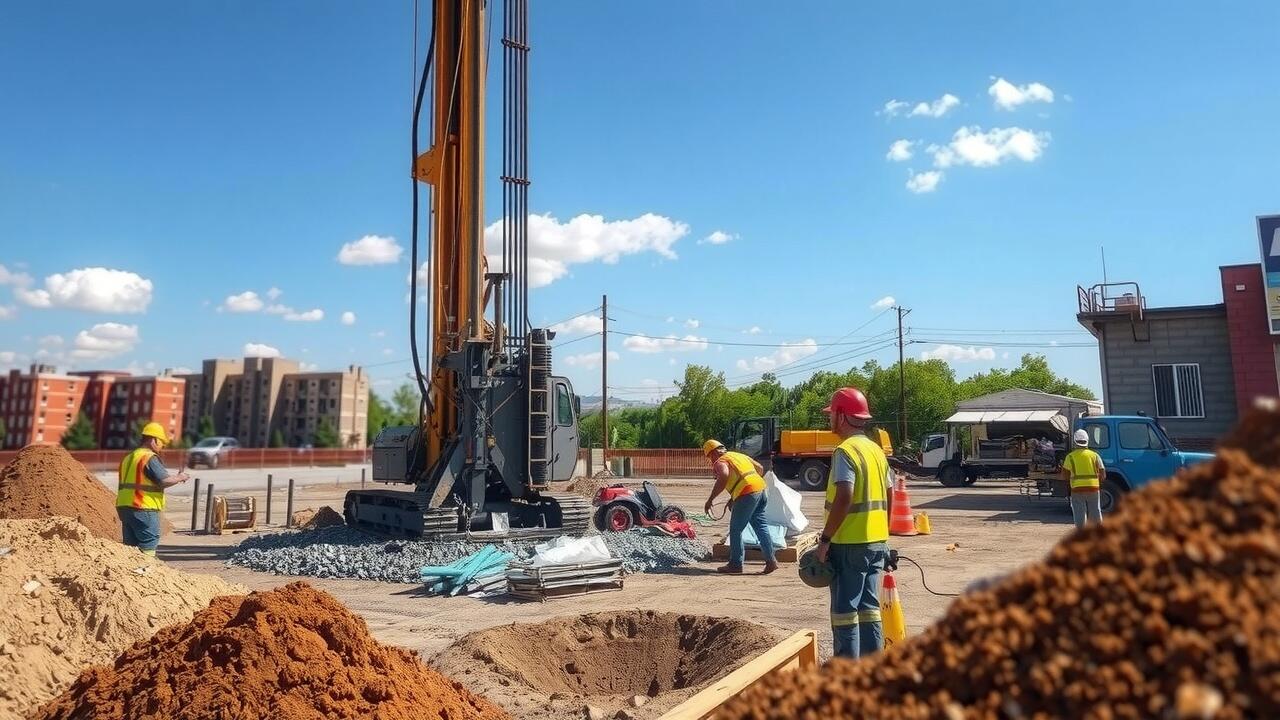
Successful planning for foundation drilling projects begins with a thorough assessment of the site and the specific requirements for commercial building foundations. Contractors must evaluate the type of soil, including the presence of hard material, to determine the appropriate tooling needed for the job. This analysis not only informs the selection of techniques but also influences the design of specialty shafts like pipe shafts, ensuring that the project is equipped for optimal performance.
Each step in the planning process is critical to the future projects of foundation drilling. Detailed timelines and budgets must be established, with careful consideration given to the resources and equipment required to meet project objectives. Hard work during this phase sets the foundation for executing successful projects by minimizing risks and enhancing safety. Understanding these steps can lead to better results in both current and featured projects within the industry.
Key Considerations for Successful Drilling Projects
Successful foundation drilling projects hinge on selecting the right tools and techniques for the job. Utilizing an impact hammer can significantly enhance efficiency and precision during the drilling process. For instance, when installing concrete piles, appropriate tooling becomes essential to achieve the desired depth and stability. Western equipment solutions offer a range of options, including the Texoma drill known for its effective barrel-cutting capabilities. Employing the right tools ensures optimal performance in various conditions, such as water work and drilling through challenging materials.
Planning involves careful consideration of the project’s scope and site-specific challenges. The depth and size of shafts required for industrial structures dictate the need for specific drilling methods and equipment. Maintaining a focus on grinding and optimizing productivity can lead to smoother execution. A well-structured approach, incorporating insights on foundation drilling projects and the latest techniques, allows teams to navigate potential obstacles effectively and deliver quality results.
Quality Assurance in Foundation Drilling
Maintaining high standards in foundation drilling projects is crucial for meeting specific project requirements and ensuring long-lasting results. The choice of extraction tools, such as core barrels and pile hammers, plays a significant role in the efficiency and effectiveness of drilling operations. A well-equipped facility that offers several tooling options can facilitate the creation of sustainable foundations and the execution of ground improvement strategies. Quality workmanship during the installation process is essential, especially for legacy foundations and projects involving large trenches, to mitigate future complications and uphold structural integrity. Implementing best practices can significantly enhance the quality of foundation drilling projects, ensuring that all objectives are met and the desired outcomes are achieved.
Factors Contributing to Top-Quality Foundation Drilling
Top-quality foundation drilling projects hinge on the precise selection of materials and techniques used throughout the process. For instance, the use of pipe pile and pipe pile casing is essential for providing additional soil support in various geological compositions. The rig employed must be equipped with appropriate toolholders that can accommodate various attachments for different tasks, ensuring efficiency and effectiveness. The attention to detail in aspects such as welding bars is vital, as improper welding can lead to structural weaknesses that jeopardize the entire foundation.
A dedicated safety program is fundamental to the success of foundation drilling projects. This includes implementing safety measures that address the risks associated with rig operation and drilling activities. It is crucial to monitor sparks during the welding process to prevent potential hazards. Teams working on these projects must be trained to recognize and mitigate risks, enabling them to work confidently and efficiently. Ultimately, the combination of well-planned strategies and rigorous safety protocols will spark inspiration and drive the successful execution of high-quality foundations.
- Proper selection of drilling techniques tailored to specific site conditions
- Utilization of high-quality materials to ensure durability and reliability
- Regular maintenance and inspection of drilling rigs to maximize performance
- Comprehensive training programs for all personnel involved in drilling operations
- Implementation of environmental measures to minimize ecological impact
- Continuous communication among team members to enhance coordination
- Adherence to industry regulations and standards for safety and quality assurance
Best Practices for Ensuring Quality in Drilling
Ensuring quality in foundation drilling projects requires meticulous planning and execution. Engineers must converge their expertise to choose the right equipment and rigs for specific projects. This includes selecting robust steel sections appropriate for the intended structures. Properly functioning equipment minimizes the risk of issues such as sparks during drilling. Each hole drilled must meet the project's specifications to guarantee the stability and integrity of structures, whether they are new constructions or garage restorations.
Regular maintenance of drilling rigs and equipment is crucial for achieving high-quality outcomes. Contractors should employ complete contracting solutions that streamline the process from preparation to execution. Quality checks throughout the drilling process help identify any discrepancies early. Careful attention to detail ensures that foundation drilling projects remain compliant with industry standards and can support the intended loads on completion.
Challenges in Foundation Drilling
Foundation drilling projects face a variety of challenges that can impact their success. For instance, the micropile industries often encounter difficulties related to the stability of the ground, especially in hillside terrains where water drainage issues may arise. McDowell Construction's operations at the RCEC windmill farm highlight the importance of adhering to strict safety procedures to mitigate risks. The incorporation of continuous steel walls can help counteract soil instability, yet the complexity of centrifuge operations adds another layer of difficulty. Companies must demonstrate dedication to overcoming these challenges to ensure the timely and effective completion of foundation drilling projects while maintaining safety and quality standards.
- Ground stability and soil conditions can significantly affect drilling operations.
- Water drainage issues often complicate projects, particularly in hilly areas.
- Adhering to safety procedures is crucial to mitigate risks during drilling.
- The use of continuous steel walls can aid in counteracting soil instability.
- Complex operational techniques, like centrifuge methods, require specialized training and expertise.
- Companies must invest in technology and training to handle these challenges effectively.
- Effective communication and project management are key to navigating unforeseen difficulties during drilling.
Conclusion
Foundation drilling projects play a crucial role in the successful execution of construction operations. These projects involve creating deep holes in various types of soil and rock to support structures with piles. The effectiveness of foundation drilling hinges on selecting appropriate cutting techniques and contracting skilled professionals. Safety remains paramount throughout the job, ensuring that all drilling activities are performed without incident. A well-planned solution for foundation drilling projects ultimately enhances the integrity of the structures built above, highlighting the importance of quality and precision in every phase of the operation.
FAQS
What are some important safety programs that should be considered during foundation drilling projects, particularly regarding the use of welding rods and preventing sparks?
In foundation drilling projects, it’s crucial to implement comprehensive safety programs to ensure worker safety when using welding rods, as they can produce sparks that may lead to fire hazards. Additionally, these programs should inspire workers and encourage them to learn about safe drilling practices. Engineering converge techniques can also enhance safety protocols, reflecting the co.’s dedication to maintaining a secure working environment.
How can companies promote safety awareness during foundation drilling projects to prevent issues related to sparks and ensure a safe working environment?
Companies involved in foundation drilling can promote safety awareness by offering training sessions where employees can learn about potential hazards, such as sparks that may be generated during the drilling process. They’re drilling to emphasize the importance of proper equipment use and maintenance, alongside the implementation of safety measures. Additionally, showcasing case studies that illustrate successful prevention strategies can serve as sparks of inspiration, further reinforcing the co.'s dedication to a safe workplace.
What resources or programs can help individuals learn about the safety precautions necessary when they’re drilling, particularly concerning the handling of welding rods to prevent sparks during foundation drilling projects?
Individuals interested in drilling can learn from various safety programs and resources that highlight the importance of preventing sparks. Companies committed to safety often provide training and materials, showcasing their dedication to maintaining a secure work environment during foundation drilling projects.
How can construction workers effectively learn about safety measures related to sparks when they’re drilling in foundation projects?
Construction companies often emphasize the importance of safety training programs to help their teams drilling in foundation projects understand the risks associated with sparks. By providing resources, workshops, and hands-on training, workers can better learn how to handle equipment safely and be inspired by the co.’s dedication to creating a secure work environment.
How can individuals effectively learn about safety practices when they’re drilling to prevent sparks during foundation projects?
Individuals looking to enhance their understanding of safety measures associated with drilling can benefit from resources that emphasize the importance of safety during foundation projects. Companies and organizations often provide training programs that reflect their dedication to safety, offering inspiration for workers. It’s crucial for workers to learn about the risks of sparks while they’re drilling, as well as the necessary precautions to take to avoid incidents.
How can individuals effectively learn about safety practices related to sparks when they’re drilling for foundation projects, and what sources can provide inspiration for improving their knowledge?
Individuals can effectively learn about safety practices related to sparks when they’re drilling by attending safety training sessions, enrolling in online courses, and utilizing resources from organizations dedicated to workplace safety. Additionally, they can draw inspiration from companies' dedication to implementing comprehensive safety protocols in their drilling operations. By accessing these resources, individuals can enhance their understanding of safety measures while they’re drilling and ensure a safer work environment.
How can individuals learn best practices for drilling safely to manage sparks while they’re drilling, and what sources can provide inspiration for their training?
Individuals can effectively learn about safe drilling practices related to managing sparks through a variety of educational resources and training programs. They can explore safety workshops offered by construction safety organizations and online courses that focus on drilling safety. Additionally, engaging with experienced professionals in the field can provide valuable insights. Companies can also showcase their dedication to safety through informational materials, reinforcing their co.’s dedication to a safe working environment while inspiring workers to prioritize safety during drilling.
How can individuals learn effective techniques to manage sparks while they’re drilling, and what resources provide inspiration for enhancing their skills in this area?
Individuals can learn effective techniques for managing sparks during their drilling activities through various training programs and workshops. Resources such as safety manuals, online courses, and hands-on training provided by companies can be instrumental. The industry often promotes their dedication to safety through these teachings, ensuring that workers are well-informed about best practices. By utilizing these resources, they’re drilling more safely and are inspired to maintain a high standard in their work environment.
What methods can professionals in the foundation drilling industry implement to ensure their teams learn about preventing sparks while they're drilling, and what resources reflect the co.’s dedication to safety and skill enhancement?
Professionals can implement training sessions, workshops, and on-the-job mentoring to help their teams learn about the hazards of sparks while they're drilling. Utilizing resources such as safety manuals, instructional videos, and industry best practices can also serve as inspiration. The co.’s dedication to fostering a culture of safety is evident through its commitment to ongoing education and skill development for all employees working in foundation drilling.
How can individuals gather inspiration to learn about managing sparks while they’re drilling in foundation projects, and what practices reflect a company's dedication to safety?
Individuals can gather inspiration to learn about managing sparks during their drilling activities through various training programs, workshops, and safety seminars that focus on practical techniques for spark management. Companies can demonstrate their dedication to safety by implementing comprehensive training sessions, providing access to safety resources, and fostering a culture of continuous learning among employees, ensuring they’re drilling with caution and awareness of potential hazards like sparks.